
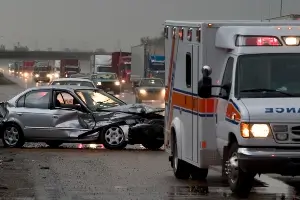
 T-bone crashes cause some of the most serious injuries we see in Appleton car accident cases. These side-impact collisions happen at Appleton intersections, leaving victims with life-changing injuries and complex questions about fault and liability. The unique nature of these crashes makes them particularly dangerous for both drivers and passengers.
At Sigman Janssen, our Appleton car accident lawyers have seen firsthand the aftermath that T-bone crashes can have on victims and their families. If you were injured in a side-impact collision in Appleton or anywhere in the Fox Cities area, we are here to help you pursue fair compensation for your damages. While we cannot change what has happened, our experienced legal team provides knowledgeable representation to protect your rights and fight for the compensation you need and deserve.
Call us at (920) 335-1394 to request a FREE, no-risk review of your case today.
What Is a T-Bone Crash?
A T-bone collision happens when the front end of one vehicle collides with the side of another vehicle. The name comes from the “T” shape the two vehicles make at the moment of impact. These collisions are also called side-impact or broadside accidents.
These crashes occur in Appleton and elsewhere in Outagamie County when one driver fails to yield the right of way or ignores a red light signal or stop sign. The resulting impact can affect either the driver’s side or passenger’s side of the vehicle that gets hit.
Why Do T-Bone Crashes Have a Higher Risk of Causing Serious Injuries?
T-bone crashes almost ensure serious injuries for vehicle occupants seated on the side of the impact. The design of your vehicle and the nature of side-impact collisions leave you vulnerable in ways that other types of accidents don’t. It’s important to know more about these crashes and what makes them more likely to cause critical or even life-altering injuries.
Limited Side Protection in Vehicles
The sides of your vehicle offer far less protection than the front or rear of most cars today. Modern vehicles have built-in crumple zones, airbags, and reinforced structures in the front and back to absorb impact. However, the doors and side panels provide only a few inches of protection between you and an oncoming vehicle.
Direct Force on Vehicle Occupants
When another car slams into your driver’s side or passenger’s side, the force transfers directly to the people inside. There is minimal space and material to absorb the energy of the crash. This direct impact can cause devastating injuries to your head, chest, abdomen, and limbs.
Higher Speeds at Intersections
The speed of the striking vehicle also plays a major role in the severity of the injuries you may sustain in this type of crash. Intersections in Appleton — like those along College Avenue or Wisconsin Avenue — often involve vehicles traveling at higher speeds. The faster a vehicle is going when it strikes, the more force it delivers on impact, increasing the risk of serious harm.
Who May Be Liable for a T-Bone Car Accident?
Liability for a T-bone crash largely depends on the unique circumstances of your accident. We investigate every detail to identify the at-fault parties responsible for the collision and your damages – and then we work tirelessly to hold them accountable.
T-bone accidents typically involve clear violations of traffic laws at intersections throughout Appleton, such as:
- Drivers Who Run Red Lights or Stop Signs: The driver who enters an intersection illegally and strikes your vehicle’s side typically bears full responsibility for the crash.
- Drivers Who Fail to Yield When Turning: A driver making a left turn across traffic without ensuring the intersection is clear may be liable for t-boning your vehicle.
- Drivers Who Misjudge Gaps in Traffic: A driver who pulls out from a side street or parking lot into oncoming traffic may cause a side-impact collision.
- Drivers Making Illegal or Unsafe Turns: Running a red arrow, turning from the wrong lane, or making prohibited turns at Appleton intersections can lead to T-bone crashes.
- Drivers Who Speed Through Intersections: Excessive speed reduces reaction time and makes it impossible to stop before striking another vehicle’s side at a crossing.
What Kinds of Injuries Are More Likely in T-Bone Crashes?
T-bone crashes create specific injury patterns we see repeatedly in client cases. The direct force on your body, combined with minimal vehicle protection, leads to severe trauma. These injuries often require extensive medical treatment and a lengthy recovery. Many victims suffer from secondary complications for years after the crash occurred.
Head and Brain Injuries
Severe head injuries, including concussions, traumatic brain injuries, and skull fractures, are very common in side-impact collisions. The force of a T-Bone crash at impact can cause your head to strike the window, door frame, or elsewhere inside your vehicle or against parts of the other vehicle. These injuries can cause lasting cognitive problems and change your life permanently.
Chest and Rib Injuries
At impact, the car will crush inward, which can break your ribs and cause other damage to your chest cavity. Broken ribs can puncture your lungs or cause internal bleeding. Chest injuries from T-bone crashes often require emergency surgery and extended hospital stays.
Abdominal and Internal Organ Damage
The force of a side impact can permanently damage your liver, spleen, kidneys, and other internal organs. Internal bleeding from these injuries may not show symptoms right away but can quickly become life-threatening without treatment.
Spinal Cord and Neck Injuries
The sideways force in a T-bone collision can twist and compress your spine in unnatural ways. Herniated discs, fractured vertebrae, and spinal cord damage can result in partial or complete paralysis. Neck injuries like whiplash are also common in side-impact crashes.
Broken Bones and Fractures
Your arms, legs, hips, and pelvis are extremely vulnerable in T-bone crashes. The intruding vehicle can crush limbs or cause compound fractures that require multiple surgeries. Hip and pelvis fractures are particularly common when a side impact occurs.
Common Driver Errors That May Lead to a T-Bone Crash
Most T-bone crashes, including those in Appleton, result from preventable driver negligence and errors at intersections. We investigate each incident to determine the cause and build strong cases for our clients.
- Running Red Lights: Drivers who speed through intersections after the light turns red often strike vehicles that have the right of way.
- Rolling Through Stop Signs: Failing to come to a complete stop at an intersection can result in a devastating side-impact collision.
- Distracted Driving: Texting, eating, or adjusting the radio takes a driver’s attention away from what’s happening on the road – including traffic signals and other vehicles entering the intersection.
- Misjudging Left Turns: Drivers who turn left without properly gauging oncoming traffic speed and distance frequently cause T-bone accidents.
- Driving Under the Influence: Alcohol and drugs impair judgment and reaction time, making it difficult to stop at red lights or yield appropriately.
- Speeding: Excessive speed reduces the time available to react to changing traffic signals and makes it impossible to stop safely.
- Failing to Yield Right of Way: Drivers who violate traffic safety rules by proceeding through a four-way stop or other controlled intersections without properly yielding to other traffic.
- Aggressive Driving: Impatient drivers who try to beat yellow lights or rush through intersections, putting everyone at risk.
Frequently Asked Questions About T-Bone Crash Claims in Wisconsin
T-bone accident cases raise specific questions about fault, evidence, and compensation. We answer these common concerns from our Appleton clients to help you understand what to expect. Every case is unique, but these answers provide general guidance about Wisconsin T-bone crash claims.
Who is usually at fault for a T-bone car accident?
The driver who violated traffic laws at the intersection is usually at fault. This typically includes the driver who ran a red light, failed to stop at a stop sign, or turned without yielding. However, fault isn’t always clear-cut, and we investigate all circumstances to determine liability. Wisconsin follows comparative negligence rules, which means multiple parties can share fault for a T-bone crash.
What evidence is crucial for a T-bone accident case?
Police reports, witness statements, and intersection camera footage provide critical evidence in T-bone cases. Photos of vehicle damage showing the point of impact help prove which driver entered the intersection illegally. Traffic signal records, skid marks, and vehicle data recorders can confirm what happened. We also gather your medical records to document the full extent of your injuries from the side-impact collision.
What is the average settlement for T-bone accident injuries in Wisconsin?
Settlement amounts vary widely based on your specific injuries, medical expenses, lost wages, and other factors. T-bone crashes often result in higher settlements because of the severe injuries they cause. We cannot predict your settlement value without reviewing your case details. Your compensation depends on the extent of your damages and the insurance coverage available in your situation.
Compensation You Can Seek in an Appleton Car Accident Claim
Wisconsin law allows you to recover various types of damages after a T-bone crash caused by another driver’s negligence. We work to identify every category of compensation available in your case. Your total recovery depends on the specific losses you suffered from the collision.
- Medical Expenses: All costs related to your treatment, including emergency care, hospital stays, surgeries, medications, physical therapy, and future medical needs.
- Lost Wages: Income you missed while recovering from your injuries, including time off work for doctor appointments and medical procedures.
- Lost Earning Capacity: Compensation for reduced ability to earn income if your injuries prevent you from returning to your previous job or working at full capacity.
- Pain and Suffering: Physical pain, discomfort, and emotional distress caused by your injuries and the crash itself.
- Property Damage: Repair or replacement costs for your vehicle and any personal belongings damaged in the T-bone collision.
- Disability and Disfigurement: Compensation for permanent disabilities, scarring, or physical impairments resulting from the crash.
- Loss of Enjoyment of Life: Damages for your inability to participate in activities and hobbies you enjoyed before the accident.
How Long You Have to File for Damages After a Car Accident in Wisconsin
Time limits for filing car accident claims can prevent you from recovering compensation if you miss them. Wisconsin law gives injury victims a specific window to take legal action against negligent drivers. Understanding these deadlines helps you protect your right to fair compensation after a T-bone crash.
Deadlines Apply
You have three years from the date of your accident to file a personal injury lawsuit in Wisconsin. This deadline applies to most car accident cases, including T-bone crashes in Appleton. However, waiting too long can hurt your case even if you’re within the legal timeframe. There are also instances when shorter time limits apply. For example, an accident involving a governmental agency can require certain notices be filed within 120 days of an accident. Accidents involving wrongful death have a shorter two year statute of limitations. You should consult with an experienced personal injury lawyer—like those at Sigman Janssen, in order to make sure you know the exact statute of limitations that applies to your accident.
Evidence Disappears Soon After the Accident
Witness memories fade, surveillance footage gets deleted, and physical evidence at the intersection gets cleared away. The sooner we begin investigating your T-bone crash, the stronger the case we can build for you.
Insurance companies also impose their own deadlines for reporting accidents and filing claims. You typically must notify your insurance company within days of the crash. Failing to report promptly can give insurers a reason to deny your claim.
Injured in a T-Bone Crash in Wisconsin? Call Our Trusted Appleton Law Firm Today
T-bone crashes can change your life in an instant. The serious injuries from these side-impact collisions often require extensive medical treatment and time away from work. You shouldn’t have to face the financial burden alone when another driver’s negligence caused your accident.
At Sigman Janssen, we provide dedicated legal representation to T-bone crash victims throughout Appleton and the Fox Cities area. We handle every aspect of your claim so you can focus on healing. From investigating the accident scene to negotiating with insurance companies, we fight to secure the full compensation you deserve.
Don’t let insurance companies minimize your injuries or pressure you into a quick settlement. We know the tactics they use, and we stand up for your rights. Your initial consultation costs you nothing, and we don’t collect our fees unless we win your case.
Call Sigman Janssen at (920) 335-1394 to discuss your T-bone accident claim today.